Rujira began building on THORChain with a clear shared goal: create a complete DeFi suite around native assets that is fair, transparent, and accessible to everyone.
THORChain already provides decentralized cross-chain infrastructure and liquidity for native assets such as BTC, ETH, BCH, LTC, DOGE, and more. Rujira extends that foundation with an application layer for orderbook trading, lending, borrowing, automated trading, liquidations, and other financial products.
The result is more than a collection of separate apps. It is an open financial system designed to give native assets more utility while creating economic activity and revenue opportunities across the THORChain ecosystem.
Following the approval of Option 1 in the ADR-031 vote, THORChain and Rujira can continue building on this shared foundation with stronger long-term alignment. This article looks at what has already been built together and the foundation now in place for the next stage of omnichain DeFi.
A Programmable Foundation for Native Assets
Together, THORChain and Rujira created a programmable App Layer powered by CosmWasm smart contracts.
At its foundation are Secured Assets. These are onchain representations of native assets held by THORChain that can be used inside smart contracts and decentralized financial products. They connect THORChain's decentralized custody infrastructure with the flexibility developers need to build more advanced applications.
This makes it possible to use native assets such as BTC, ETH, BCH, LTC, DOGE, and more within our omnichain DeFi hub without relying on traditional third-party bridges or wrapped assets issued by centralized intermediaries.
Learn how Rujira's omnichain foundation works
An Onchain Orderbook for Decentralized Trading
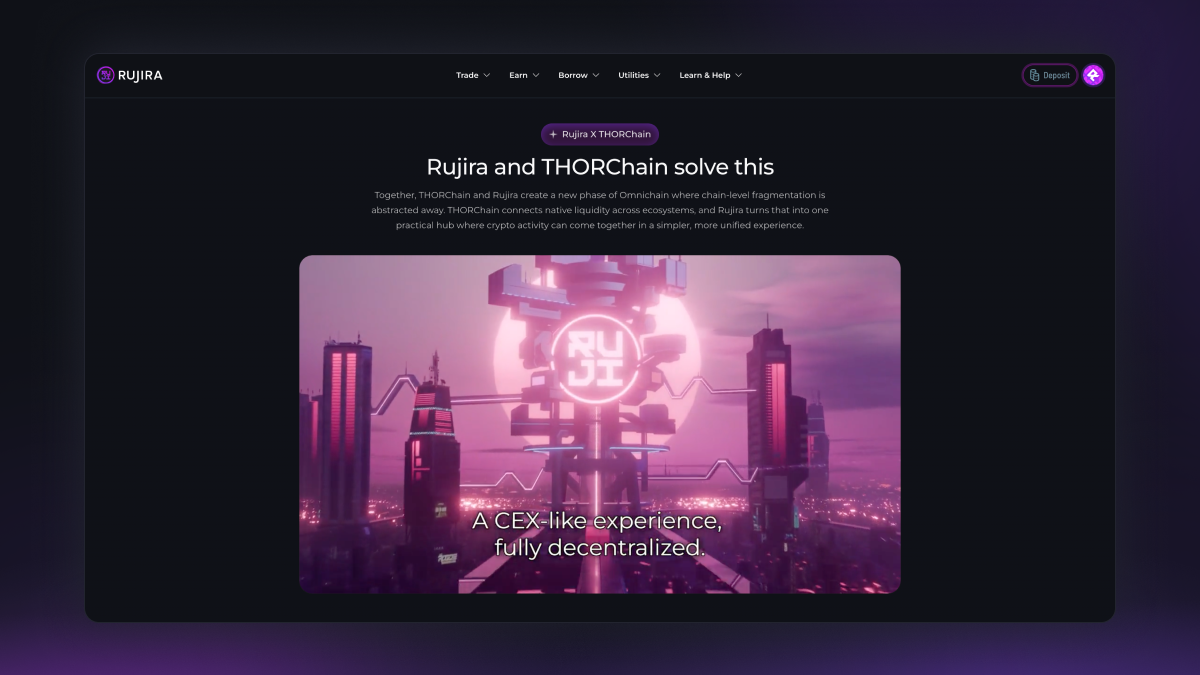
Rujira Trade is a fully onchain, orderbook-based decentralized exchange. It supports market orders, limit orders, recurring orders, and tracking orders while keeping execution transparent and accessible directly from a user's wallet.
The orderbook model provides the trading tools and interface people expect from centralized exchanges without requiring them to surrender custody of their assets to an intermediary.
Rujira Trade matches and settles orders entirely onchain, meaning no privileged off-chain matching operator can front-run trades. At each price level, resting orders share fills pro rata according to size, so arriving milliseconds earlier does not secure execution priority for sophisticated actors.
Rujira Trade also serves as core infrastructure for the wider Rujira ecosystem. Automated Trading strategies quote into its orderbooks, liquidated collateral from unsafe loan positions is sold through market orders, and Base Layer liquidity can be made available to App Layer traders.
Automated Trading for Deeper Markets
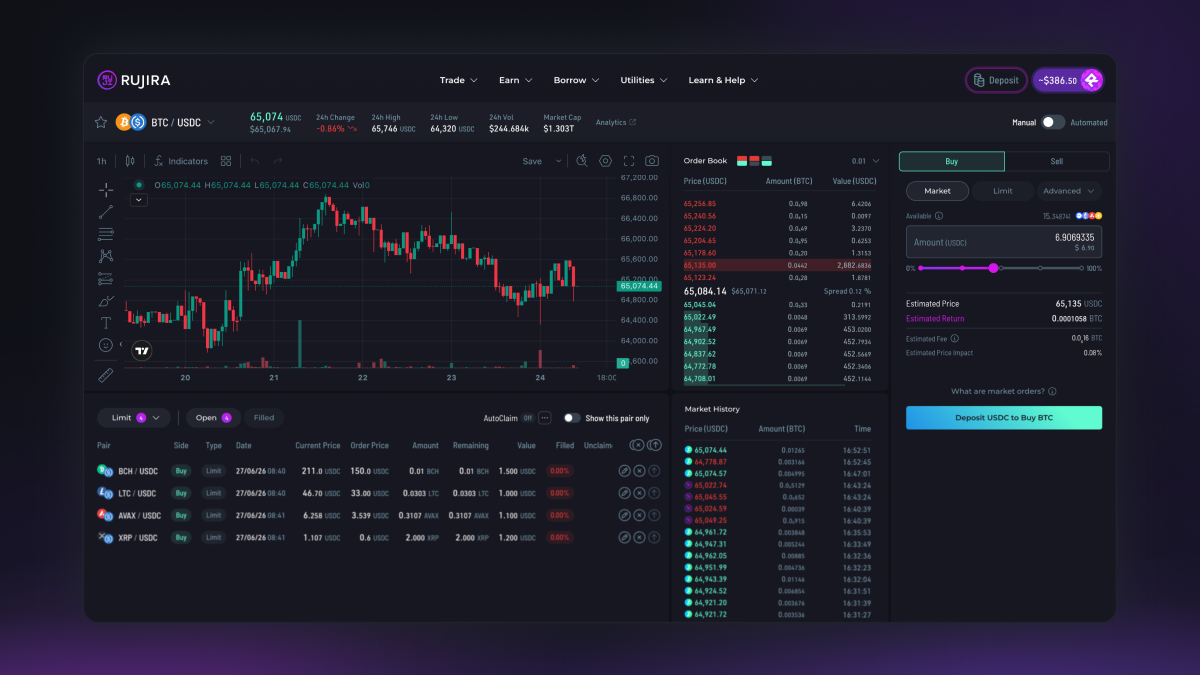
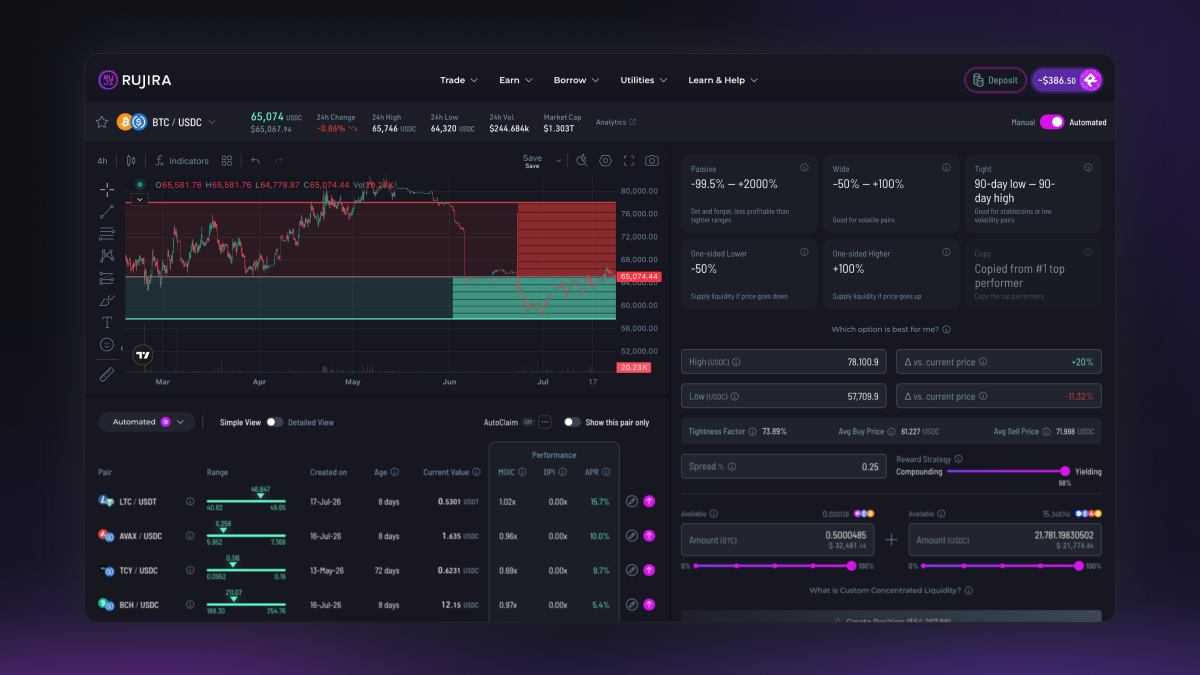
An orderbook becomes more useful as its liquidity grows. Rujira AMM supports this through 100% onchain automated market-making strategies that place liquidity into Rujira Trade.
Automated Trading strategies let participants choose a price range across which to distribute their liquidity and configure how much profit they want to earn between their buy and sell orders. This can make capital more efficient than spreading liquidity across every possible price, while giving providers more control over how they earn from market volatility. It enables anyone to become a market maker in a few clicks, without needing to run complex, expensive infrastructure.
Liquidity providers can earn from trading activity, while deeper orderbooks can improve quotes, execution, and the overall trading experience. The same infrastructure also makes it possible to layer multiple liquidity sources into a single market.
Explore Automated Trading on Rujira
Connecting App Layer and Base Layer Liquidity
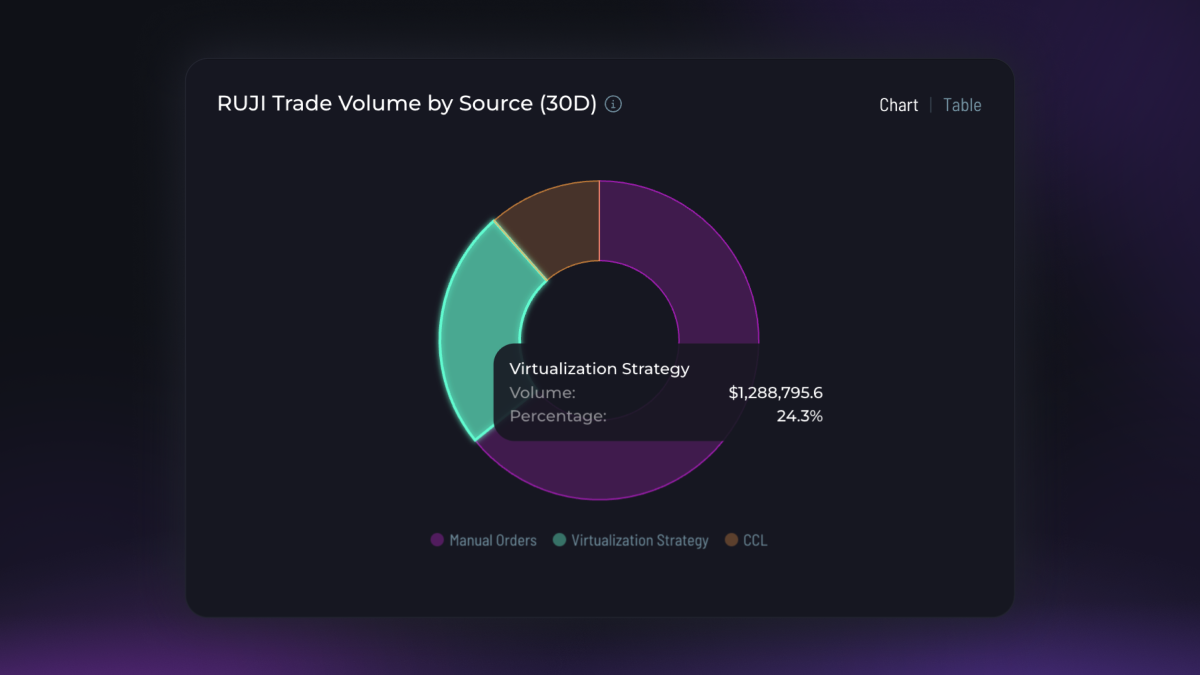
Rujira's Base Layer Virtualization Strategy connects Rujira Trade with liquidity in THORChain's Base Layer pools.
When the App Layer needs additional liquidity for a trade, the strategy can quote against a THORChain pool and surface that quote in the Rujira Trade orderbook. This helps keep prices aligned across both layers and gives traders access to more liquidity through one interface.
When trades use this route, they also generate activity and fees on THORChain. The strategy therefore does more than improve App Layer execution. It creates a direct economic connection between the products built on Rujira and the liquidity secured by THORChain.
Importantly, whenever a quote from the Virtualization Strategy overlaps with a quote from automated strategies or other App Layer liquidity sources, the resulting arbitrage profit, which would normally be captured by external arbitrageurs, is collected as protocol revenue and shared between Rujira and THORChain.
This effectively allows anyone who stakes RUJI or bonds RUNE to earn from arbitrage activity, keeping a share of those profits inside the ecosystem instead of giving them away to external arbitrageurs.
Read about the Base Layer Virtualization Strategy
More Utility for Native Assets
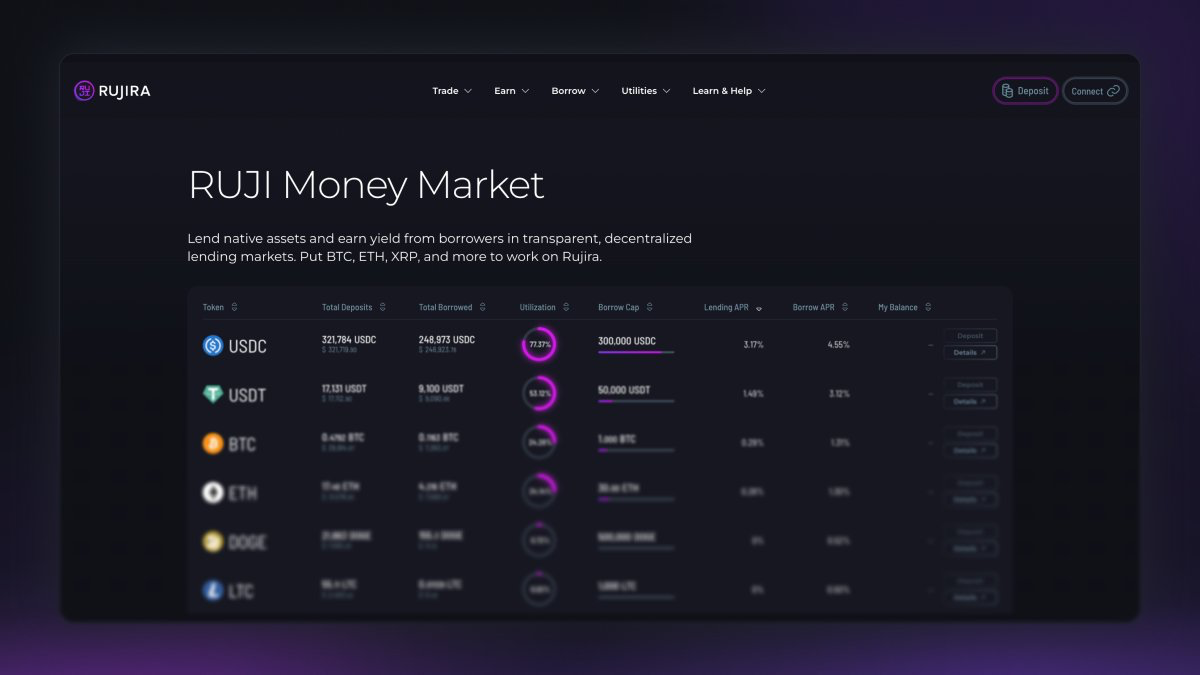
Rujira Money Market gives supported assets another productive role.
Lenders can supply assets and earn interest paid by borrowers. Borrowers can deposit supported native assets as collateral and access liquidity without selling them. Loans are permissionless and overcollateralized, with variable interest rates that respond to supply and demand in each lending market.
This creates activity beyond swaps and liquidity pools. Native assets can support borrowing, interest-bearing lending positions, and other integrated financial strategies across the Rujira ecosystem.
Democratizing Access to Liquidations
A healthy lending market needs a reliable way to repay unsafe debt. It also needs a liquidation process that protects lenders without restricting participation to a small group of specialized operators.
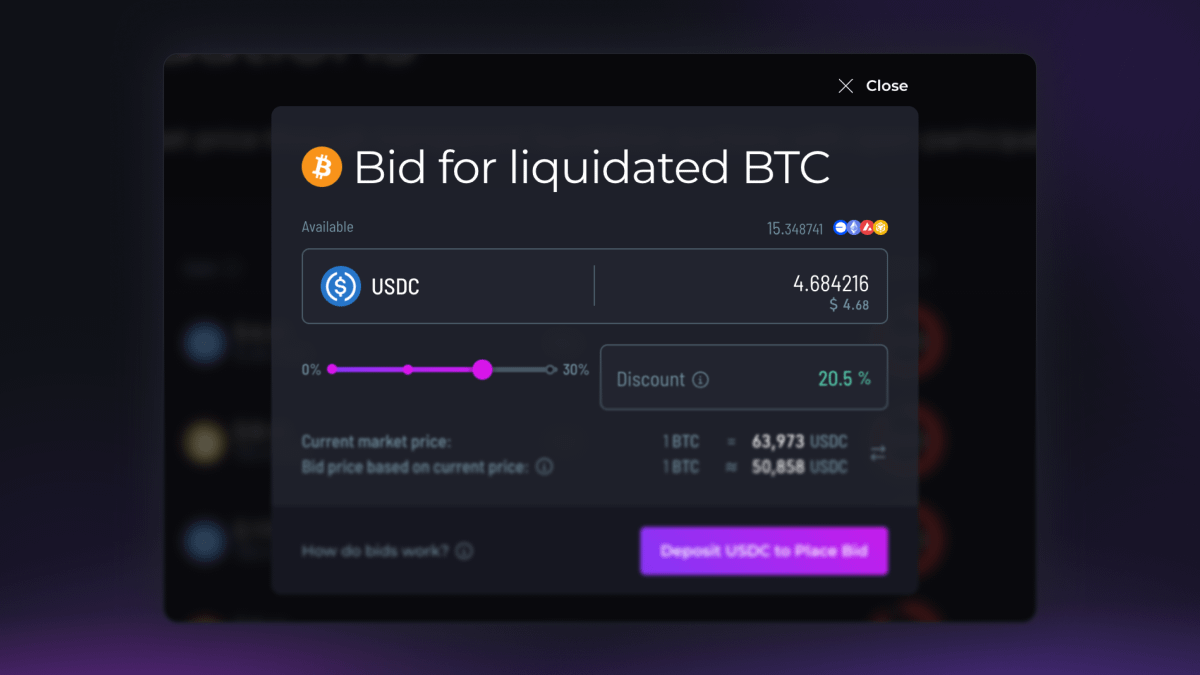
Rujira Liquidations opens this process through a public interface. Anyone can place Tracking Orders to bid on at-risk collateral at a chosen discount to its oracle price. When collateral is liquidated through a market order on Rujira Trade, bids offering prices closer to the market price receive priority.
This changes the competition from a race for speed into a competition based on price. Participants can bid without running a liquidation bot or writing code, while competitive pricing can reduce liquidation costs for borrowers and help protect lending vault solvency.
Earn RUNE Yield with bRUNE Staking
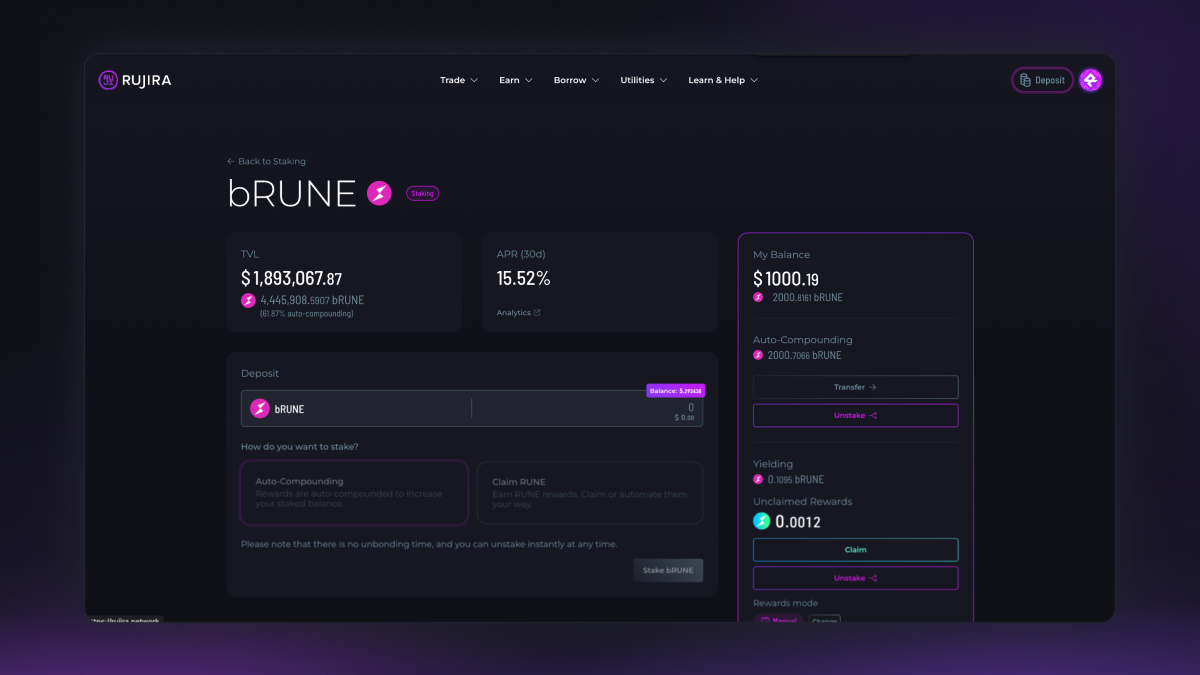
bRUNE extends the suite beyond trading and lending by opening THORChain node-bonding yield to RUNE holders.
Instead of requiring each participant to coordinate directly with a Node Operator, bRUNE distributes bonded RUNE across participating nodes. People can choose auto-compounding or manual-claim staking, or provide liquidity to the bRUNE/RUNE market on Rujira Trade.
Staking and unstaking are instant, with no minimum amount, so people can manage a bRUNE position without a large upfront commitment.
Yield Generating Products First
With the core foundation in place, the next priority is strengthening products that generate sustainable yield. Rujira Money Market, bRUNE, and automated trading strategies already show how lending, node bonding, and market making can create opportunities across the ecosystem.
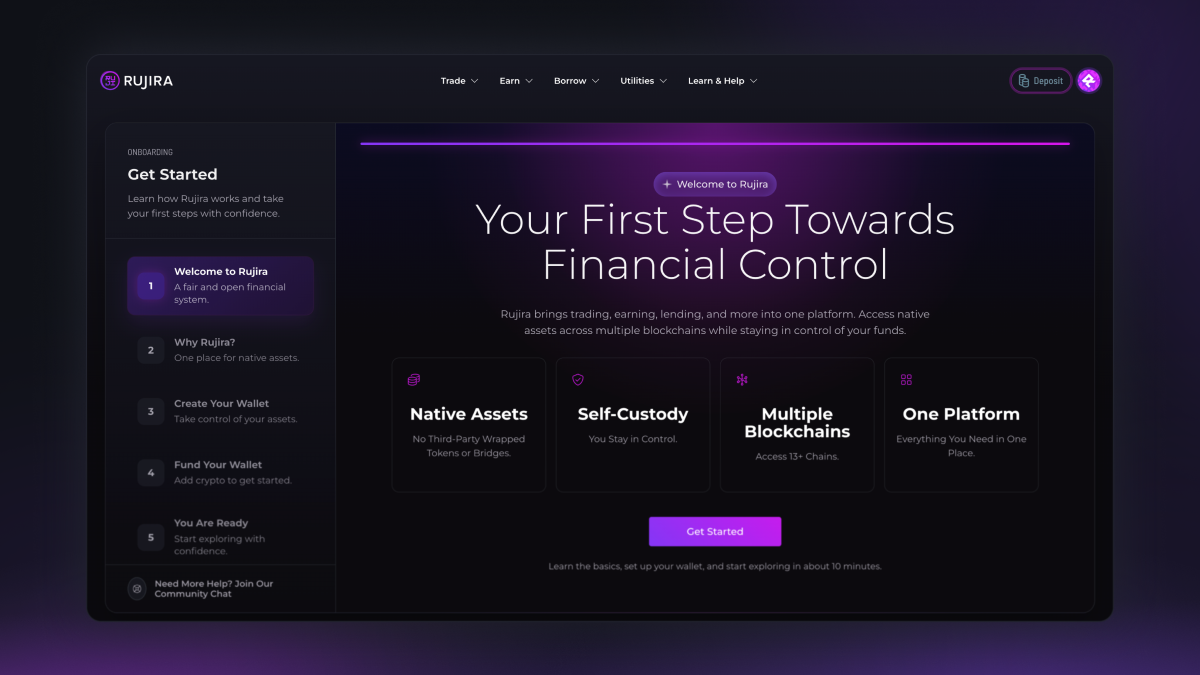
Rujira has also taken the first steps toward simpler onboarding. The long-term goal is to make native-asset DeFi approachable without hiding how the system works or compromising self-custody.
The priority remains product quality, sustainable yield, and deeper liquidity. Stronger markets and useful products create a better foundation for growth than scaling before the underlying experience is ready.
Growth That Can Benefit Both Layers
Rujira is designed so App Layer growth can also strengthen THORChain.
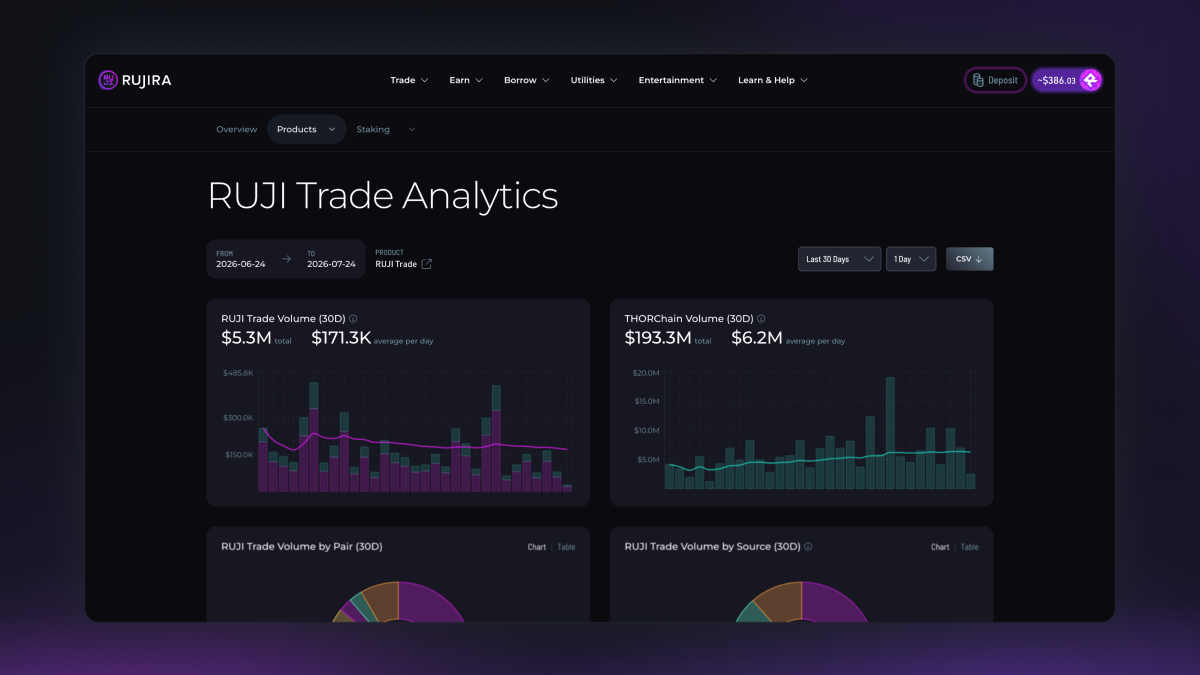
When an interaction uses App Layer liquidity, part of the protocol revenue is shared with the Base Layer under the system's fee-sharing model. When Rujira Trade uses virtualized THORChain liquidity, the underlying Base Layer swap creates THORChain volume and fees directly. When price dislocations occur between Base Layer pools and App Layer liquidity, the resulting arbitrage profit is captured as protocol revenue and shared with THORChain. This also helps keep Base Layer pool prices better aligned with market prices.
This is important because the objective is not to move activity away from THORChain, but to expand what users can do with its native-asset infrastructure while improving Base Layer execution. More financial products can create more reasons to bring assets into the ecosystem, trade them, borrow against them, lend them, or use them in automated trading strategies.
One Ecosystem, A Bigger Opportunity
Rujira and THORChain have already built the foundations of something distinctive: an open financial suite where people can retain control of their assets while accessing trading, lending, borrowing, automated trading, liquidations, and node-bonding opportunities.
The next step is to deepen those markets, improve the user experience, and expand the activity flowing through the ecosystem.
Fair by design. Owned by you.